Residential Electrician Melbourne
Camma Electrical provides licensed residential electrical work for Melbourne homeowners, from new lights and power points to fault finding, switchboard work and renovation wiring. We inspect the job properly, explain what needs doing in plain language and carry out electrical work safely. Camma Electrical holds Victorian electrical contractor licence REC 36165.
5.0★
Local rating
REC 36165
Licensed electrician
Fast
Local response
$20M
Public liability
What Does A Residential Electrician Do In Melbourne?
A residential electrician works on the electrical systems in houses, townhouses, apartments and home extensions. The job may be a small repair, a new circuit for an appliance, or planning the wiring for a larger renovation.
Electrical work affects how safely and reliably your home runs every day. A good visit starts with listening to what is happening, checking the existing installation and giving you a clear explanation before work begins.
Electrical Repairs Around The Home
Faults are not always obvious. A power point that feels loose, lights that flicker, a circuit that trips or an appliance that keeps losing power all need proper investigation. Replacing a visible part without finding the cause can leave the original problem behind.
New Power, Lighting And Appliances
Many calls are about making a room work better. That could mean more power points in a study, practical lighting in a kitchen, outdoor lighting, a bathroom exhaust fan or a dedicated supply for an oven, air conditioner or other fixed appliance. The right approach depends on the load, the existing wiring and the condition of the switchboard.
Electrical Work For Older And Newer Homes
Older Melbourne homes can have wiring, fittings or boards from a different era, while newer homes can still need changes as the way a family uses the space changes. An electrician should assess the particular home rather than assume every job has the same answer.
When Should You Call A Residential Electrician?
Call a licensed electrician when something electrical is not working normally, when you are changing a room, or before installing a significant new appliance. Do not ignore recurring faults simply because the power comes back after you reset a switch.
Some issues are inconvenient. Others can point to a damaged fitting, overloaded circuit or fault that needs attention. It is better to have the cause checked than keep working around it.
Power Keeps Tripping
A safety switch or circuit breaker can trip for several reasons, including a faulty appliance, damaged cable, moisture or a problem on the circuit. Take note of what was running when it happened and whether it happens again. Leave diagnosis and repairs to a licensed electrician.
Lights, Switches Or Power Points Are Playing Up
Flickering lights, warm or discoloured switches, sparking, buzzing, broken power points and light fittings that do not work properly are all reasons to arrange an inspection. Avoid using a damaged electrical fitting until it has been assessed.
You Are Renovating Or Changing How A Room Is Used
A new kitchen, home office, laundry, garage conversion or extension often changes where power and lighting are needed. It is much easier to discuss electrical requirements early than to find out late in the build that there is no practical route for wiring or no suitable supply for the appliances chosen.
How Do I Choose A Licensed Electrician In Melbourne?
Choose an electrician who is properly licensed, communicates clearly and is willing to inspect the job before making assumptions. You should feel comfortable asking what the issue is, what work is proposed and what disruption to expect.
Camma Electrical is a licensed Victorian electrical contractor with REC 36165. We keep the conversation straightforward so you can make an informed decision about work in your home.
The qualification required for an unrestricted electrician licence includes the Certificate III in Electrotechnology Electrician, current code UEE30820. It is one part of the training and assessment pathway behind licensed electrical work in Victorian homes.
Ask directly whether the person attending is the one holding that licence, or whether they're working under someone else's -- a straightforward question a properly licensed electrician will always answer plainly.
Why Licensing Matters
Electrical work is not a do-it-yourself job. It needs the right training, testing and accountability because poor work can create an electrical shock, fire or reliability risk that is not always visible once walls and ceilings are closed up.
What The Training Path Looks Like
Energy Safe Victoria's standard electrical apprenticeship has a fixed term of four years. The pathway continues beyond the apprenticeship, with further assessment and supervised installation experience required before an unrestricted electrician licence is available. An Electrician's Licence (AAE) submission checklist requires 12 months of installation work under an Electrician (Supervised) Licence and completion of the Licensed Electrician's Assessment within 5 years of the application date, alongside the Certificate III in Electrotechnology Electrician.
Questions Worth Asking Before Work Starts
Ask what the electrician has found, what options are available, whether the existing installation affects the job and whether access will be needed to the roof space, underfloor area or switchboard. For a larger project, ask how the electrical work will fit around the other trades and stages of the build.
Do I Need A Building Permit For Electrical Work?
Whether a specific job needs a building permit depends on the scope of work and the applicable Victorian building regulations -- it isn't something to assume either way from a general description of the job.
For anything beyond routine repairs -- a full rewire, major switchboard work, or a renovation -- raise the permit question early with your electrician, so it's settled before work is underway rather than discovered partway through.
Why It's Worth Asking Early
A licensed electrician assessing the job on-site is best placed to tell you whether your specific work needs a permit, since the answer depends on details a general description can't capture.
Smaller Jobs Are Usually More Straightforward
Routine work like installing power points, light fittings or new final sub-circuits is generally more straightforward than major structural or switchboard work -- but the only way to know for certain is to have the actual job assessed.
Getting The Scope Right Before A Renovation
If your plans include a new kitchen, extension or major internal change, show the electrician the appliance schedule and room layout. Details such as induction cooking, heating and cooling, laundry equipment, home office use and outdoor areas can all affect the electrical scope.
What Electrical Work Is Common In Melbourne Homes?
The most useful residential electrical work makes the home safer, more practical and easier to use. That may be as simple as improving light where you prepare food or as involved as upgrading electrical capacity for a renovation.
The best solution is based on how you use the room now and what you plan to add later. A quick conversation about everyday routines can prevent poorly placed outlets or lighting that does not suit the space.
Lighting That Suits The Room
Good lighting is not only about brightness. Kitchens need useful task light over benches, bathrooms need appropriate fittings for the location, bedrooms often benefit from separate switching options, and outdoor areas need lighting placed with access and weather exposure in mind.
Power Points Where You Actually Need Them
Power point locations should suit furniture, appliances and charging needs without relying on a tangle of extension leads. A home office, entertainment area, kitchen bench and garage all tend to have different needs. Planning locations before painting, tiling or cabinetry is installed saves unnecessary rework.
Switchboards And Circuit Capacity
The switchboard distributes electricity around the home and provides protective devices for circuits. If you are adding larger electrical loads or have an older board, an electrician can assess whether the existing setup is suitable for the proposed work.
What Happens During A Home Electrical Fault Call?
A proper fault visit is about finding the cause, not guessing at a quick fix. The electrician will ask what happened, inspect the affected area and test the relevant parts of the installation before recommending the next step.
Clear information from the homeowner helps. If possible, note when the issue started, which rooms are affected, whether a switch has tripped and what appliances were being used at the time.
A Real-World Example: The Kitchen Circuit That Kept Tripping
A homeowner notices the kitchen power trips whenever the kettle and toaster are used in the morning. First, the electrician asks whether it happens with either appliance on its own and checks the switchboard to identify the affected circuit. Next, the outlets, appliances and circuit are tested to narrow down whether the issue is an appliance fault, a circuit problem or the way the load is being used. Only after that inspection can the appropriate repair or circuit change be discussed.
Why Resetting The Switch Is Not The Whole Answer
Resetting a tripped device may restore power, but it does not explain why it operated. Repeated tripping is useful information for the electrician. Do not keep resetting a circuit repeatedly in the hope the issue will disappear.
Making The Visit Easier
Please make the switchboard and affected rooms accessible where possible. Let the electrician know about recent building work, water leaks, appliance changes or earlier electrical issues. Those details can shorten the investigation and help identify related problems.
Electrical Work For Renovations And Extensions
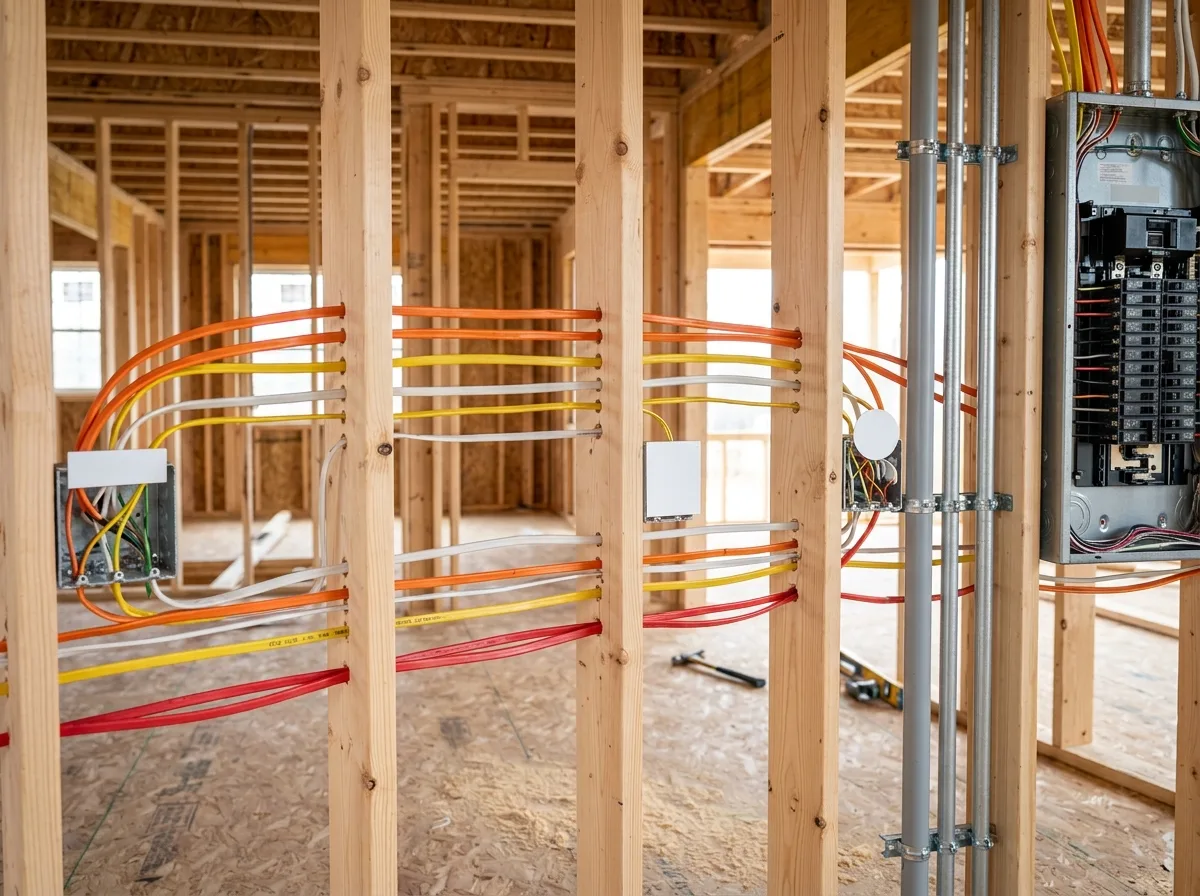
Electrical planning should happen early in a renovation or extension. It allows wiring, outlets, switches, lighting and appliance supplies to be positioned before plaster, cabinetry and finishes make access harder.
An electrician can work from plans, walk through the space with you and ask practical questions about how each room will be used. This is the time to think beyond the minimum number of fittings.
Start With The Room Layout
Furniture placement matters. A television wall, bedside tables, kitchen island, desk, vanity and outdoor entertaining area all influence where power and switching will be useful. Marking these on a plan avoids power points being hidden behind fixed joinery or left too far from where they are needed.
Think About Fixed Appliances Early
Provide appliance details before installation where you can. Ovens, cooktops, heating and cooling equipment, exhaust systems and electric vehicle chargers can have different electrical requirements. Checking early helps avoid a mismatch between the appliance selected and the electrical supply available.
Coordinate With Builders And Other Trades
Electrical rough-in needs to occur at the right point in the build. Discuss the timing of framing, insulation, plaster, cabinetry and painting with the builder so electrical work can be completed safely and access is available when needed.
What Should I Do If I Am Concerned About Electrical Safety?
If you are worried about an electrical issue, stop using the affected fitting or appliance where it is safe to do so and contact a licensed electrician. Do not remove covers, open the switchboard or attempt repairs yourself.
Electrical safety concerns deserve a calm, practical response. Explain what you have seen or heard, whether there has been a smell, heat, water exposure, damage or repeated tripping, and an electrician can advise on the safest next step.
Signs That Need Attention
Arrange an inspection for damaged outlets or switches, exposed wiring, burning smells, unusual heat, repeated tripping, water near electrical fittings or lights that behave unpredictably. These signs do not all have the same cause, which is why inspection is important.
After Water Damage Or A Leak
Water and electricity are a serious combination. If a leak has affected lights, outlets, wiring or electrical equipment, do not assume everything is safe once the visible water is gone. Let a licensed electrician assess the affected installation.
Safety Checks Before Buying Or Major Changes
If you have concerns about an older home, are preparing for a renovation or are adding major electrical equipment, an inspection can help identify what is already there and what may need attention before further work proceeds.
How Do I Book A Residential Electrician In Melbourne?
Getting help is straightforward: get in touch, describe the issue or planned work, and arrange a suitable time for a licensed electrician to attend. Camma Electrical will discuss the job in plain language and assess the work needed at your home.
For a fault, tell us what is happening, when it occurs and which parts of the house are affected. For planned work, photos, plans and appliance details can be helpful, but you do not need to diagnose the problem before calling.
Before The Appointment
Make a short note of the rooms involved and any recent changes, such as a renovation, new appliance, storm damage or water leak. Clear safe access to the switchboard and affected fittings if you can. Keep children and pets away from the work area during the visit.
During The Visit
The electrician will inspect the relevant parts of the installation, explain what has been found and talk through the practical options. If the job is larger than first expected, you can ask questions and understand the scope before deciding how to proceed.
After The Work Is Complete
You should know what work was completed and how to use any new switches, fittings or equipment. If something does not seem right after the visit, get back in touch so it can be discussed. Camma Electrical is licensed electrical contractor REC 36165.
CLIENT REVIEWS
WHAT CLIENTS SAY
20 reviews on Google →
Common Questions
Can a residential electrician install extra power points?
Yes. A licensed electrician can assess the room, existing circuit and best location for additional power points. The work should suit how you use the room rather than simply adding an outlet wherever it is easiest to reach.
Why does my safety switch keep tripping?
A tripping safety switch can be caused by a faulty appliance, moisture, damaged wiring or a fault on a circuit. Repeated tripping needs investigation by a licensed electrician rather than repeated resetting.
Do I need an electrician for a kitchen renovation?
Yes. Kitchens usually involve lighting, power points, appliance circuits, exhaust equipment and careful coordination with cabinetry and other trades. Involve an electrician early so the layout and appliance requirements can be checked.
Do small electrical jobs need a building permit in Victoria?
Common work such as fitting power points, light fittings or new final sub-circuits does not require a building permit when the main switchboard and consumer’s mains are not altered. Major alterations involving mains, sub-mains or the main switchboard can be different.
Can I replace a damaged power point myself?
No. Do not carry out electrical work yourself. A damaged power point should be assessed and repaired by a licensed electrician.
Sources
- Energy Safe Victoria — Energy Safe Victoria’s standard electrical apprenticeship has a fixed term of four years.
- Energy Safe Victoria — An Electrician's Licence (AAE) submission checklist requires 12 months of installation work under an Electrician (Supervised) Licence and completion of the Licensed Electrician's Assessment within 5 years of the application date, alongside the Certificate III in Electrotechnology Electrician.
- Energy Safe Victoria — The qualification required for an unrestricted electrician licence includes the Certificate III in Electrotechnology Electrician, current code UEE30820.
Need a licensed residential electrician for your Melbourne home? Get in touch to discuss the job.
Get a free, no-obligation quote from your local licensed electrician.